Artichoke can be approached as both a practical garden project and a living lesson in plant biology. Whether you are growing it for food, ornament, learning, biodiversity, or simple curiosity, the best results come from matching the plant's documented biology to the conditions you can actually provide. This guide organizes the key facts from the Seeds In A Cup® plant dataset into a clear growing framework for home gardeners, families, educators, and serious beginners.
Artichoke at a Glance
| Topic | Plant-specific information |
|---|---|
| Common name | Globe Artichoke |
| Scientific name | Cynara cardunculus var. scolymus |
| Plant family | Asteraceae |
| Genus / species | Cynara / C. cardunculus |
| Category | Vegetables |
| Growth and botanical notes | Perennial thistle-like plant, 1.5–2 meters tall, silver-green leaves, edible buds. |
| Phenology or seasonal timing | Blooms mid-summer; buds harvested before scales open. |
| Recorded habitat | Sunny, well-drained maritime climates. |
| Propagation | Seeds, root cuttings, or division. |
Quick Answer: What Does Artichoke Need?
The most useful starting point is to align the growing site with the recorded habitat and cultivation notes rather than treating every plant as interchangeable. The dataset describes the habitat as “Sunny, well-drained maritime climates.” and gives this cultivation direction: “Sow in spring, full sun, deep rich soil.”. Its stated tolerance profile is “High drought tolerance once established; sensitive to heavy frost.”. In practice, observe drainage, sun exposure, seasonal temperatures, and the pace at which the growing medium dries. Those conditions determine whether a plant can use water and nutrients efficiently, whether roots remain aerated, and how much stress it experiences during transplanting or heat, cold, and wind events.
The short version is to begin with the species-specific growing direction supplied with your seed, establish the plant in a site consistent with its recorded habitat, avoid extremes of waterlogging and drought, give it the root room its mature habit requires, and monitor it regularly rather than reacting only after a problem becomes severe.
How to Grow Artichoke Successfully
Growing artichoke well begins with an accurate understanding of what the plant is and what stage of growth you are managing. The dataset identifies it as “Perennial thistle-like plant, 1.5–2 meters tall, silver-green leaves, edible buds.”. That description matters because a gardener's choices about spacing, support, container size, harvest timing, and seasonal protection should follow the plant's growth habit rather than a generic “one-size-fits-all” routine.
The most useful starting point is to align the growing site with the recorded habitat and cultivation notes rather than treating every plant as interchangeable. The dataset describes the habitat as “Sunny, well-drained maritime climates.” and gives this cultivation direction: “Sow in spring, full sun, deep rich soil.”. Its stated tolerance profile is “High drought tolerance once established; sensitive to heavy frost.”. In practice, observe drainage, sun exposure, seasonal temperatures, and the pace at which the growing medium dries. Those conditions determine whether a plant can use water and nutrients efficiently, whether roots remain aerated, and how much stress it experiences during transplanting or heat, cold, and wind events.
Start With the Seed or Propagation Method
The stated propagation method is “Seeds, root cuttings, or division.”. The direct cultivation note is “Sow in spring, full sun, deep rich soil.”. If you are using seed, read the packet for cultivar-specific timing, sowing depth, expected germination range, and any pre-treatment instructions. Seeds that look similar can still have different temperature, light, dormancy, or transplanting requirements.
A reliable home-garden workflow is to label every sowing, record the date, keep the growing medium evenly moist rather than saturated, and observe actual emergence rather than assuming every cell will germinate at the same speed. If seedlings are started indoors, increase light and air movement gradually after emergence. When moving plants outdoors, acclimate them to stronger light, wind, and temperature swings in stages; abrupt exposure can create stress even in otherwise healthy seedlings.
Build a Root-Friendly Growing Medium
Roots need both moisture and oxygen. That simple principle explains why drainage, container holes, soil structure, and watering habits matter so much. A compacted or continuously saturated medium reduces oxygen around roots and can make a plant appear nutrient-deficient even when fertilizer is present. A medium that dries too quickly can interrupt early establishment and make small seedlings vulnerable to heat or wind.
For gardens, evaluate soil by observing how water enters and leaves the bed, how easily a trowel penetrates it, and whether the area remains puddled after rain. For containers, use a vessel with drainage holes and a growing medium appropriate for container culture; field soil alone often compacts in pots. Amendments should solve a known problem, not be added automatically. A soil test and local extension interpretation are the most defensible way to decide whether pH or nutrient correction is needed.
Manage Light, Water, and Air as a System
Light drives photosynthesis, but plant performance also depends on water availability, root aeration, air circulation, and temperature. The habitat information for artichoke is “Sunny, well-drained maritime climates.”. Use that clue together with seed-packet directions and observations from your site. A bright location that is also excessively hot, wind-exposed, or fast-drying may require different management than a bright location with stable moisture.
Water based on the plant and medium, not on a fixed calendar. Check beneath the surface, lift containers to assess weight, and look for meaningful signs of thirst or excess water. Deep but appropriate watering can encourage a more resilient root zone in many situations, while frequent shallow watering can keep only the upper layer wet. However, the exact approach must remain consistent with the plant's stated cultivation note and the conditions of your own garden.
Plan Space Before the Plant Needs It
The source describes artichoke as “Perennial thistle-like plant, 1.5–2 meters tall, silver-green leaves, edible buds.”. Use that description to anticipate mature height, spread, vining behavior, crown development, or root needs. Crowding reduces airflow, complicates harvesting, and can make pest and disease monitoring harder. In containers, the same principle applies: a starter cup can be excellent for germination and observation, but mature plants frequently need more volume, support, or root space.
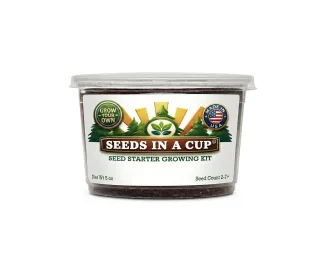
For a beginner, classroom, gift recipient, or busy gardener who wants a simple entry point, the Artichoke STEM Growing Kit | Seeds In A Cup® from Seeds In A Cup® can provide recyclable clear planter, nutrient-rich potting soil, non-GMO seeds, mini-greenhouse lid. The plant-specific starter guidance in the dataset is: “Transplant from Seeds In A Cup® kit once second set of true leaves appear.”. Treat the kit as a starting system: once the seedling outgrows its space or its crop type requires a permanent bed, larger container, or garden row, transition it thoughtfully rather than forcing mature growth in an undersized vessel.
Monitor, Record, and Adjust
Good gardeners treat plant care as observation-based management. Photograph unusual symptoms, note weather changes, record the last watering or fertilizer application, and inspect both the upper and lower leaf surfaces. That record makes it easier to distinguish a recurring pattern from a one-time stress event. It also prevents the common error of applying multiple treatments at once and then never learning which change mattered.
Common Artichoke Problems and an Integrated Management Approach
The dataset lists the following plant-specific pest or disease note: “Aphids, slugs. Use neem oil.”. Treat that statement as a monitoring priority, not as a diagnosis for every yellow leaf, chewed edge, wilted stem, or slow-growing plant. Similar symptoms can arise from insects, fungal or bacterial disease, nutrient imbalance, temperature stress, root injury, herbicide drift, inconsistent moisture, poor drainage, or natural aging.
Use a Diagnose-Before-Treating Sequence
- Observe the pattern. Determine whether damage occurs on new growth, old leaves, a single branch, or the entire plant. Look for insects, eggs, webbing, frass, lesions, powdery growth, holes, distortion, discoloration, or root odor.
- Check recent conditions. Review rainfall, irrigation, heat, cold, transplanting, fertilizer, and any spray or product exposure. Environmental stress often explains a sudden change.
- Confirm the cause. Use a local extension diagnostic resource, a horticultural professional, or a clear, well-lit photo submitted to a reputable service when the issue is uncertain.
- Choose the least-disruptive effective response. Correct cultural conditions first when possible. Use physical exclusion, sanitation, hand removal, pruning, or targeted products only after confirming that they are appropriate.
- Follow every label. For any pesticide, fungicide, fertilizer, or biological control product, the product label is legally and practically important. It governs approved uses, protective equipment, waiting periods, application rates, and pollinator precautions.
Prevention Practices That Improve Decision Quality
- Start with healthy seed or transplants and clean containers.
- Use a growing site that matches the documented habitat and seasonal needs.
- Keep foliage and soil monitoring routine rather than waiting for severe damage.
- Avoid crowding when the growth habit requires more room and airflow.
- Water the root zone thoughtfully and avoid chronic saturation.
- Remove clearly diseased plant debris when a confirmed disease-management plan calls for sanitation.
- Rotate crop families where relevant and practical, especially when soilborne problems are known locally.
- Protect beneficial organisms by avoiding broad-spectrum interventions unless they are justified and correctly timed.
Why Good Diagnosis Matters
Aphid feeding, nutrient imbalance, and drought stress can all produce curled or pale growth. Leaf spots can be caused by several organisms or by environmental damage. A treatment that is harmless in one situation may be ineffective or counterproductive in another. The most sustainable “fix” is usually the one that addresses the actual cause and avoids creating new stress for the plant, nearby pollinators, soil organisms, pets, children, or the gardener.
Seasonal Stress and Recovery
The stated tolerance profile for artichoke is “High drought tolerance once established; sensitive to heavy frost.”. Use this record as a planning signal for weather risk. Sudden heat, frost, strong wind, standing water, or an abrupt indoor-to-outdoor move can all reduce growth temporarily. Rather than immediately adding fertilizer or spraying, stabilize the environment first: correct moisture extremes, improve drainage or protection where appropriate, and give the plant time to respond. Healthy roots and steady conditions are usually more valuable than frequent intervention.
Harvesting, Uses, Cultivars, and Long-Term Value
The dataset summarizes the practical uses of artichoke as “Culinary hearts/bracts; medicinal for digestion.”. It records this phenology or timing note: “Blooms mid-summer; buds harvested before scales open.”. These statements should guide the harvest decision. The correct harvest stage is not necessarily “the largest possible plant”; it is the stage at which the intended edible, ornamental, seed-saving, or other plant part has reached the quality and maturity appropriate to its use.
How to Decide When to Harvest
Use the source record and the exact cultivar's seed information to identify the intended stage. Harvesting too early may sacrifice size, flavor, storage quality, seed maturity, or visual impact. Harvesting too late can mean fibrous texture, bolting, split fruit, open flowers, seed drop, decline in tenderness, or loss to weather and pests, depending on the crop.
Use clean, sharp tools when cutting is needed. Harvest during a cool part of the day when practical, handle plant tissues gently, and avoid leaving damaged produce or spent material where it could attract pests or harbor disease. If the crop is intended for food, follow ordinary food-safety practices: use clean hands and tools, wash appropriately, and avoid consuming plant parts that have not been confirmed as edible for the exact species and variety.
Using the Harvest Responsibly
The source lists these uses: “Culinary hearts/bracts; medicinal for digestion.”. A plant's traditional, ornamental, culinary, or historical associations do not automatically establish safety or medical efficacy. Do not use a plant medicinally as a substitute for professional diagnosis or treatment, and do not assume that every part of a plant is edible. Species, cultivar, plant part, preparation, dose, contamination, allergies, medication interactions, and individual health status can all matter.
Choosing a Cultivar With a Purpose
The plant record names these cultivar or variety examples: “‘Green Globe’, ‘Imperial Star’.”. When comparing varieties, decide what outcome matters most:
- Early versus later maturity
- Compact container suitability versus full-size garden production
- Color, flavor, texture, or ornamental traits
- Resistance or tolerance claims, verified in the seller's current description
- Suitability for your climate, daylight, season length, and available space
- Open-pollinated seed-saving goals versus hybrid performance goals
A cultivar is not simply a label. It represents a package of traits that can affect vigor, maturity timing, plant architecture, disease response, and harvest characteristics. Read the current seed description rather than assuming that one common name predicts the performance of every selection.
Saving Value Beyond One Season
The source identifies the propagation approach as “Seeds, root cuttings, or division.”. If you plan to save seed, divide plants, take cuttings, or otherwise continue the crop, confirm that method for the exact plant. Seed saving also requires attention to maturity, isolation where cross-pollination matters, drying, labeling, storage, and the difference between open-pollinated and hybrid varieties. A careful label should include plant name, cultivar, collection date, and any useful notes about vigor, flavor, disease response, or harvest timing.
Safety, Allergies, Pets, Children, and Responsible Gardening
The safety note in the supplied dataset is “Generally safe; check for Asteraceae allergies.”. This is useful context, but it is not a substitute for a current, authoritative safety check when a child, pet, livestock animal, allergy concern, medical condition, or food-use question is involved. Common names can refer to multiple plants, and safety can differ among plant parts, growth stages, preparations, and closely related species.
A Practical Household Safety Checklist
- Keep seeds, fertilizers, pesticides, and unfamiliar plant material out of reach of children and animals.
- Do not assume a garden plant is edible simply because it is attractive, fragrant, or associated with food.
- Verify the exact botanical identity before eating leaves, roots, fruit, flowers, seeds, or other tissues.
- Wear gloves if you have sensitive skin or if the plant is known to cause irritation.
- Wash hands after gardening, particularly before handling food or touching eyes.
- Seek current veterinary or medical guidance quickly if ingestion, exposure, or an allergic reaction is suspected.
- Follow product labels for every amendment or treatment used around the plant.
Conservation and Garden Stewardship
The dataset describes the conservation context as “Widely cultivated; not endangered.”. Responsible gardening also includes choosing seeds and plants from reputable sources, avoiding the release of non-native or invasive material into unmanaged spaces, using water carefully, protecting pollinators during bloom, and disposing of diseased plant material in a way that aligns with local guidance.
A useful garden is not only productive; it is managed with attention to the surrounding ecosystem. That includes observing pollinators and beneficial insects, avoiding unnecessary chemical use, protecting soil structure, and learning which gardening practices are appropriate for your region. Gardeners get better results when they treat plant care as a relationship among species, weather, soil, water, and time rather than as a series of isolated product purchases.
Garden Decision Table
| Gardening decision | Dataset signal | Practical interpretation |
|---|---|---|
| Choose the right location | Sunny, well-drained maritime climates. | Observe direct sun, drainage, wind, and seasonal temperature patterns before planting. |
| Start seeds or transplants | Sow in spring, full sun, deep rich soil. | Use a clean medium and avoid waterlogged conditions during early growth. |
| Plan for mature size | Perennial thistle-like plant, 1.5–2 meters tall, silver-green leaves, edible buds. | Do not let a temporary germination container become the permanent home for a plant that needs more root room. |
| Prevent avoidable stress | High drought tolerance once established; sensitive to heavy frost. | Respond to observed weather and soil conditions instead of relying on an inflexible watering calendar. |
| Monitor problems | Aphids, slugs. Use neem oil. | Confirm the cause before applying a treatment; sanitation and site correction are often the first steps. |
Frequently Asked Questions
How do you grow artichoke from seed?
Sow in spring, full sun, deep rich soil.
What conditions does artichoke need to grow well?
The dataset associates this plant with “Sunny, well-drained maritime climates.”. Its listed tolerance profile is “High drought tolerance once established; sensitive to heavy frost.”. Use those details as the primary site-selection framework.
How long does artichoke take to mature or reach harvest?
Blooms mid-summer; buds harvested before scales open.
Can artichoke be grown in a container?
Container success depends on the mature root system, plant size, and crop goal. Use a container with drainage, enough volume for the plant's mature stage, and a plan for transplanting if the starter vessel is temporary.
What pests or diseases affect artichoke?
Aphids, slugs. Use neem oil.
How do you prevent common artichoke problems?
Use clean growing media, adequate spacing, sound drainage, regular inspection, and prompt removal of clearly diseased plant material. Avoid treating symptoms by guesswork; match any intervention to an identified cause.
How do you harvest or use artichoke?
Culinary hearts/bracts; medicinal for digestion.
Which artichoke varieties or cultivars should gardeners consider?
‘Green Globe’, ‘Imperial Star’.
Is artichoke safe around pets, children, or people with allergies?
Generally safe; check for Asteraceae allergies.
Can artichoke be propagated or grown again?
Seeds, root cuttings, or division.
Learn More and Verify Local Details
The dataset identifies the following reference starting points for further study: RHS Plant Finder, USDA Plants Database. Before acting on a site-specific question such as pesticide selection, disease diagnosis, regional planting dates, or pet exposure, verify the current guidance directly with an applicable university extension service, botanical institution, seed supplier, or veterinary authority. Recommendations can differ by cultivar, climate, product label, and local regulation.
Final Growing Perspective
Growing artichoke is most rewarding when you combine plant-specific information with close observation. Start with the dataset's record, follow the current instructions for your exact seed or cultivar, and adapt to your own light, soil, weather, and growing space. That approach produces more useful results than rigid rules because it respects both plant biology and the reality of your garden.