Cultivating Carrot is an investment of time and resources; the true reward lies in mastering the harvest. Knowing exactly when and how to harvest Carrot dictates the quality of the edible vegetative or reproductive structures. Furthermore, understanding the genetic nuances between different cultivars allows growers to tailor their crops to specific culinary, aesthetic, or agricultural goals.
1. Understanding Carrot Genetics: Heirloom vs. Hybrid Cultivars
The genetic lineage of your Carrot fundamentally alters its growth habit, disease resistance, and end-use.
Open-Pollinated and Heirloom Varieties
Heirloom cultivars are traditional varieties that have been passed down through generations.
- Pros: Exceptional, complex flavor profiles; seeds can be saved and will grow "true to type" the following year.
- Cons: Generally less resilient to modern pests and environmental stress; highly variable yield.
F1 Hybrids
Hybrids are the result of controlled, cross-pollination between two distinct parent lines of Carrot.
- Pros: Incredible hybrid vigor; bred for specific traits like dwarf sizing for urban spaces, high disease resistance, and uniform maturity.
- Cons: Seeds cannot be effectively saved for the next season, as the genetic offspring will be unpredictable.
2. The Science of the Harvest
Harvesting is an act of calculated trauma to the plant. Executing it correctly ensures the preservation of the harvest and the continued survival of the parent plant.
The Optimal Harvesting Window
The chemical composition of Carrot fluctuates throughout the day. The absolute best time to harvest is in the early morning, immediately after the morning dew has dried but before the sun causes the plant to transpire heavily. During this window, cellular turgor pressure and essential compound concentrations are at their absolute peak.
The "One-Third" Rule of Pruning
If you are harvesting vegetative material from a living, continuous plant, never remove more than 33% of its total biomass at one time. Removing too much foliage cripples the plant's ability to photosynthesize, sending it into systemic shock. Always use sterilized, razor-sharp bypass shears to ensure clean cuts that heal rapidly.
3. Post-Harvest Preservation Techniques
To capture the peak quality of culinary maturity and cellular turgor, immediate post-harvest processing is required.
- Fresh Refrigeration: Store unwashed Carrot in a perforated plastic bag or wrapped in a damp paper towel in the crisper drawer to maintain humidity while preventing fungal rot.
- Dehydration: For long-term shelf stability, utilize a food dehydrator set between 95°F and 105°F. High heat destroys volatile organic compounds. Alternatively, bundle and hang-dry in a dark, highly ventilated space for 10-14 days.
- Freezing: Certain varieties can be flash-frozen on a baking sheet before being transferred to an airtight bag, preserving their structural integrity for culinary use throughout the winter months.
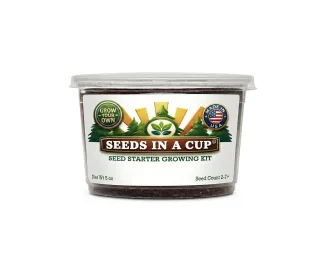
Perpetual Harvesting Strategy: To ensure you are never without fresh Carrot, employ succession planting. Sowing a new batch of seeds every 3 to 4 weeks using a Seeds In A Cup® brand grow kit guarantees a continuous rotation of young, vigorous plants ready to replace older, woody stock.
4. Culinary, Medicinal, and Landscape Utility
Beyond basic cultivation, Carrot offers profound utility.
- Culinary Applications: The complex biochemistry of Carrot can elevate gastronomic profiles. Its compounds pair excellently with both robust proteins and delicate reductions.
- Landscape Architecture: When used ornamentally, the structural geometry of Carrot provides excellent border framing or vertical interest, depending on the cultivar.
5. Frequently Asked Questions (FAQ)
How do I know when my Carrot is ready to harvest?
Harvesting cues depend heavily on the specific cultivar. Generally, look for signs of peak culinary maturity and cellular turgor. Foliage should be vibrant and fully expanded, while fruiting or flowering bodies should exhibit deep, uniform color and appropriate firmness.
Will Carrot regrow after I cut it?
If Carrot is an annual crop harvested for its root or main stalk, it will not regrow. However, if it is a herbaceous, "cut-and-come-again" variety, trimming just above a leaf node will actually stimulate the dormant axillary buds, causing the plant to branch out and produce double the yield.
How can I save the seeds from Carrot for next year?
Ensure you are growing an heirloom or open-pollinated variety. Allow the Carrot to fully mature past its culinary peak until the seed pods dry completely on the plant. Harvest the dry pods, winnow the chaff, and store the seeds in a cool, dark, and dry environment.