A garden becomes more useful when the grower understands not only how to keep a plant alive, but also how to recognize its best stage, choose a suitable variety, handle the harvest responsibly, and plan for the next growing cycle. This guide focuses on the practical value of dogwood while staying grounded in the supplied plant record.
What Is Dogwood Grown For?
The dataset lists the following uses for dogwood: “Iconic ornamental; hardwood used for textile shuttles and golf club heads. Berries are critical for migrating birds.”
If you are considering an edible, medicinal, or other practical use, identify the exact species, cultivar, and plant part first. “Plant use” is not a blanket permission to eat or apply every part of a plant. Confirm intended use from reliable, current sources and take allergy, contamination, medication, and household safety considerations seriously.
Documented Use Notes
- Iconic ornamental
- hardwood used for textile shuttles and golf club heads. Berries are critical for migrating birds
Plant and Harvest Snapshot
| Topic | Plant-specific information |
|---|---|
| Common name | Flowering Dogwood |
| Scientific name | Cornus florida |
| Plant family | Cornaceae |
| Genus / species | Cornus / C. florida |
| Category | Shrubs_and_Fruits |
| Growth and botanical notes | A small deciduous tree famous for its large flower-like white or pink bracts and glossy red berries. |
| Phenology or seasonal timing | Blooms in spring; spectacular scarlet fall foliage and persistent winter berries for birds. |
| Recorded habitat | Understory in deciduous forests and along forest edges. |
| Propagation | By seed, budding, or cuttings. |
How to Recognize the Right Harvest Stage
The source phenology statement is “Blooms in spring; spectacular scarlet fall foliage and persistent winter berries for birds.”. That is the first clue for deciding when to harvest, display, preserve, or allow the plant to complete its life cycle. The intended use should determine the stage you seek. Leaves, roots, fruit, flowers, seeds, stems, and buds often have different ideal harvest windows.
A careful harvest process begins with a few principles:
- Confirm that the part you intend to use is appropriate for the exact plant.
- Harvest only clean, healthy material unless you are removing damaged tissue for sanitation.
- Use clean tools to reduce unnecessary injury.
- Handle harvested material gently to preserve quality.
- Keep records of cultivar, date, and performance if you want to improve next season's results.
- Follow current food-safety and storage guidance when the crop is used as food.
Preserve Quality Through Observation
Quality changes after harvest. Heat, moisture, crushing, and delay can alter texture, appearance, flavor, or storage life. For any crop intended for eating, use current food-safety guidance and avoid making home-preservation decisions from generic advice alone. Preservation methods must match the crop, acidity, moisture content, equipment, and tested procedure.
Selecting Dogwood Varieties and Cultivars
The dataset lists these cultivar examples: “‘Cherokee Chief’ (Pink), ‘Cloud 9’.”
Cultivar Considerations
- ‘Cherokee Chief’ (Pink)
- ‘Cloud 9’
When choosing among cultivars, ask what trait you are optimizing. A gardener with a small patio may prioritize compact growth. A gardener with a short season may prioritize earlier maturity. A cook may prioritize flavor or texture. An educator may want a variety with visible, fast changes. A seed saver may choose an open-pollinated type and document its performance.
| Selection question | Why it matters |
|---|---|
| How much space does the mature plant need? | Plant architecture determines container volume, spacing, support, and maintenance. |
| What is the expected timing? | Maturity and harvest windows must fit your local season. |
| What use matters most? | Culinary, ornamental, educational, storage, or seed-saving goals may favor different varieties. |
| Are disease-resistance claims relevant locally? | A claim can be useful only when it matches a known local pressure and is current for the cultivar. |
| Is the variety open-pollinated or hybrid? | This influences seed-saving expectations and consistency in future generations. |
Harvesting, Uses, Cultivars, and Long-Term Value
The dataset summarizes the practical uses of dogwood as “Iconic ornamental; hardwood used for textile shuttles and golf club heads. Berries are critical for migrating birds.”. It records this phenology or timing note: “Blooms in spring; spectacular scarlet fall foliage and persistent winter berries for birds.”. These statements should guide the harvest decision. The correct harvest stage is not necessarily “the largest possible plant”; it is the stage at which the intended edible, ornamental, seed-saving, or other plant part has reached the quality and maturity appropriate to its use.
How to Decide When to Harvest
Use the source record and the exact cultivar's seed information to identify the intended stage. Harvesting too early may sacrifice size, flavor, storage quality, seed maturity, or visual impact. Harvesting too late can mean fibrous texture, bolting, split fruit, open flowers, seed drop, decline in tenderness, or loss to weather and pests, depending on the crop.
Use clean, sharp tools when cutting is needed. Harvest during a cool part of the day when practical, handle plant tissues gently, and avoid leaving damaged produce or spent material where it could attract pests or harbor disease. If the crop is intended for food, follow ordinary food-safety practices: use clean hands and tools, wash appropriately, and avoid consuming plant parts that have not been confirmed as edible for the exact species and variety.
Using the Harvest Responsibly
The source lists these uses: “Iconic ornamental; hardwood used for textile shuttles and golf club heads. Berries are critical for migrating birds.”. A plant's traditional, ornamental, culinary, or historical associations do not automatically establish safety or medical efficacy. Do not use a plant medicinally as a substitute for professional diagnosis or treatment, and do not assume that every part of a plant is edible. Species, cultivar, plant part, preparation, dose, contamination, allergies, medication interactions, and individual health status can all matter.
Choosing a Cultivar With a Purpose
The plant record names these cultivar or variety examples: “‘Cherokee Chief’ (Pink), ‘Cloud 9’.”. When comparing varieties, decide what outcome matters most:
- Early versus later maturity
- Compact container suitability versus full-size garden production
- Color, flavor, texture, or ornamental traits
- Resistance or tolerance claims, verified in the seller's current description
- Suitability for your climate, daylight, season length, and available space
- Open-pollinated seed-saving goals versus hybrid performance goals
A cultivar is not simply a label. It represents a package of traits that can affect vigor, maturity timing, plant architecture, disease response, and harvest characteristics. Read the current seed description rather than assuming that one common name predicts the performance of every selection.
Saving Value Beyond One Season
The source identifies the propagation approach as “By seed, budding, or cuttings.”. If you plan to save seed, divide plants, take cuttings, or otherwise continue the crop, confirm that method for the exact plant. Seed saving also requires attention to maturity, isolation where cross-pollination matters, drying, labeling, storage, and the difference between open-pollinated and hybrid varieties. A careful label should include plant name, cultivar, collection date, and any useful notes about vigor, flavor, disease response, or harvest timing.
Growing for Better Harvest Quality
Harvest quality begins long before harvest day. Stable root conditions, suitable light, adequate space, clean cultivation practices, and timely monitoring all influence the final result. The cultivation guidance in the dataset is “Prefers partial shade and moist, well-drained acidic soil. Mulch heavily.”. Its recorded habitat is “Understory in deciduous forests and along forest edges.”. Build your care routine around those plant-specific signals, and then adjust based on your actual site.
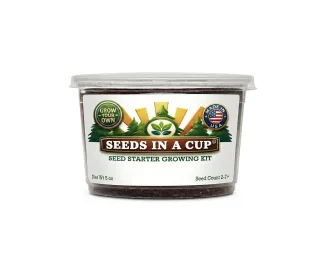
For a beginner, classroom, gift recipient, or busy gardener who wants a simple entry point, the Flowering Dogwood Spring Glory Kit | Seeds In A Cup® from Seeds In A Cup® can provide recyclable clear planter, nutrient-rich potting soil, non-GMO seeds, mini-greenhouse lid. The plant-specific starter guidance in the dataset is: “Seeds In A Cup® seeds are pre-stratified. Watch the unique 'arcuate' leaf venation develop in your kit.”. Treat the kit as a starting system: once the seedling outgrows its space or its crop type requires a permanent bed, larger container, or garden row, transition it thoughtfully rather than forcing mature growth in an undersized vessel.
Propagation and Planning the Next Crop
The source describes propagation as “By seed, budding, or cuttings.”. If you intend to collect seed, divide roots, take cuttings, or otherwise continue the plant, confirm timing and method for the exact species. The most valuable garden notes often include what succeeded: sowing date, location, weather patterns, plant health, yield, flavor or quality, and whether the chosen cultivar earned a place in next year's garden.
Safety Before Use
Safety, Allergies, Pets, Children, and Responsible Gardening
The safety note in the supplied dataset is “Berries are not for human consumption; not toxic, but very bitter and non-palatable.”. This is useful context, but it is not a substitute for a current, authoritative safety check when a child, pet, livestock animal, allergy concern, medical condition, or food-use question is involved. Common names can refer to multiple plants, and safety can differ among plant parts, growth stages, preparations, and closely related species.
A Practical Household Safety Checklist
- Keep seeds, fertilizers, pesticides, and unfamiliar plant material out of reach of children and animals.
- Do not assume a garden plant is edible simply because it is attractive, fragrant, or associated with food.
- Verify the exact botanical identity before eating leaves, roots, fruit, flowers, seeds, or other tissues.
- Wear gloves if you have sensitive skin or if the plant is known to cause irritation.
- Wash hands after gardening, particularly before handling food or touching eyes.
- Seek current veterinary or medical guidance quickly if ingestion, exposure, or an allergic reaction is suspected.
- Follow product labels for every amendment or treatment used around the plant.
Conservation and Garden Stewardship
The dataset describes the conservation context as “Significantly affected by anthracnose in the wild; resistant cultivars are important.”. Responsible gardening also includes choosing seeds and plants from reputable sources, avoiding the release of non-native or invasive material into unmanaged spaces, using water carefully, protecting pollinators during bloom, and disposing of diseased plant material in a way that aligns with local guidance.
A useful garden is not only productive; it is managed with attention to the surrounding ecosystem. That includes observing pollinators and beneficial insects, avoiding unnecessary chemical use, protecting soil structure, and learning which gardening practices are appropriate for your region. Gardeners get better results when they treat plant care as a relationship among species, weather, soil, water, and time rather than as a series of isolated product purchases.
Common Harvest and Variety Questions
What is the main use of dogwood?
Iconic ornamental; hardwood used for textile shuttles and golf club heads. Berries are critical for migrating birds.
When should dogwood be harvested?
Blooms in spring; spectacular scarlet fall foliage and persistent winter berries for birds.
Which dogwood cultivars are listed in the dataset?
‘Cherokee Chief’ (Pink), ‘Cloud 9’.
Can dogwood be propagated for future growing seasons?
By seed, budding, or cuttings.
Is dogwood safe to use around pets and children?
Berries are not for human consumption; not toxic, but very bitter and non-palatable.
The dataset identifies the following reference starting points for further study: USDA Forest Service: Dogwood, National Audubon Society: Plants for Birds. Before acting on a site-specific question such as pesticide selection, disease diagnosis, regional planting dates, or pet exposure, verify the current guidance directly with an applicable university extension service, botanical institution, seed supplier, or veterinary authority. Recommendations can differ by cultivar, climate, product label, and local regulation.