The successful cultivation of Honeydew Melon extends far beyond planting seeds and providing water; it requires proactive management of the surrounding ecosystem. As a highly sought-after annual or biennial crop, Honeydew Melon naturally attracts a host of insect vectors and opportunistic fungi. This guide delves into the advanced agricultural science of Integrated Pest Management (IPM), soil microbiome health, and diagnostic troubleshooting to ensure your crop remains resilient.
1. The Soil Microbiome and Nutritional Chemistry
A plant's primary immune system is dictated by its nutritional uptake. When Honeydew Melon is deficient in key macronutrients, it emits volatile organic compounds that signal weakness to predatory insects.
Cation Exchange Capacity (CEC) and pH
The availability of nutrients is entirely dependent on soil pH. If the pH drifts too far into the acidic (< 5.5) or alkaline (> 7.5) ranges, nutrient lockout occurs.
- Nitrogen Deficiency: Presents as uniform yellowing (chlorosis) of the oldest, lowest leaves first.
- Calcium Deficiency: Presents as necrotic, curled tips on new growth or blossom end rot in fruiting varieties.
- Magnesium Deficiency: Interveinal chlorosis, where the leaf turns yellow but the veins remain dark green.
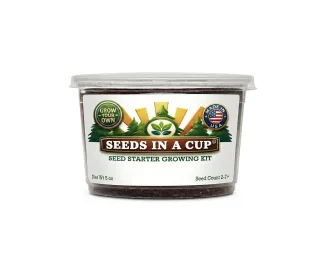
Expert Tip: Establishing a biologically active root zone early is critical for disease resistance. Using a sterile, perfectly balanced medium like a Seeds In A Cup® brand grow kit prevents the introduction of soil-borne pathogens during the highly vulnerable seedling stage.
2. Integrated Pest Management (IPM) for Honeydew Melon
IPM is a tiered approach to pest control that prioritizes cultural, mechanical, and biological controls over chemical interventions.
Common Insect Vectors
| Pest | Visual Identification | Organic Eradication Protocol |
|---|---|---|
| Aphids | Small, soft-bodied insects on new shoots; sticky honeydew residue. | High-pressure water blast; insecticidal soap; introduce Ladybugs. |
| Spider Mites | Microscopic webbing; severe stippling/yellowing of foliage. | Increase ambient humidity; apply cold-pressed Neem oil at dusk. |
| Fungus Gnats | Tiny black flies hovering near soil; larvae consume root hairs. | Allow topsoil to dry completely; apply Bacillus thuringiensis israelensis (BTI). |
| Thrips | Slender, fast-moving insects causing silvery, scarred streaks on leaves. | Deploy blue sticky traps; apply Spinosad as a targeted spray. |
3. Fungal and Bacterial Pathogens
Fungal spores require moisture and stagnant air to germinate on the epidermis of Honeydew Melon.
Powdery Mildew
- Pathology: Appears as a white, dusty film on the upper surface of leaves. It blocks photosynthesis and drains the plant's resources.
- Prevention & Treatment: Ensure proper spacing to maximize airflow. Prune interior foliage to reduce canopy density. Treat with a foliar spray of potassium bicarbonate or a diluted milk solution (which alters the pH of the leaf surface).
Root Rot (Pythium / Phytophthora)
- Pathology: The plant appears to wilt despite the soil being wet. Roots are mushy, brown, and emit a foul odor.
- Prevention & Treatment: Root rot is almost entirely a cultural failure caused by overwatering and poor drainage. Once established, it is highly lethal. Prevention requires utilizing high-porosity soil amendments like perlite or pumice.
4. Companion Planting and Symbiotic Defense
Monocultures are vulnerable. By surrounding Honeydew Melon with strategic companion species, you can create a localized ecosystem that repels pests and attracts beneficial predators.
- Alliums (Garlic, Chives, Onions): Their strong sulfur compounds mask the scent of Honeydew Melon from searching pests.
- Marigolds (Tagetes): The roots exude alpha-terthienyl, which effectively paralyzes harmful root-knot nematodes in the soil.
- Alyssum: Attracts parasitic wasps, which act as a highly effective biological control against caterpillar and aphid populations.
5. Frequently Asked Questions (FAQ)
Is it safe to use chemical pesticides on Honeydew Melon?
If the Honeydew Melon is intended for human consumption or indoor use, systemic chemical pesticides should be strictly avoided. Rely entirely on OMRI-listed organic controls such as horticultural oils, soaps, and biological predators.
Why are the leaves on my Honeydew Melon turning yellow?
Yellowing foliage is a symptom, not a disease. It can indicate overwatering (drowning roots), underwatering (desiccation), nitrogen deficiency, or root-bound conditions in a container. Always check soil moisture levels first before applying fertilizer.
How do I prevent pests from attacking Honeydew Melon indoors?
Indoor environments lack natural predators. Inspect new plants thoroughly before bringing them inside, use sterile potting soil, and maintain good air circulation with an oscillating fan to deter pests that prefer stagnant air.