Sage is more than a label on a seed packet. Understanding its taxonomy, natural associations, growth habit, history, practical uses, and safety context helps gardeners make better choices about where to grow it, how to maintain it, and how to interpret what they see over the season. This profile presents the information contained in the source dataset in an answer-first format that is useful for readers, search engines, and AI retrieval systems.
Quick Answer: What Is Sage?
Sage is described in the source dataset as “Woody perennial sub-shrub, pebbly leaves.”. It is placed in the category “Herbs”. Its commonly listed name is “Garden Sage”, and its scientific name is “Salvia officinalis”.
Taxonomy and Classification
| Classification field | Dataset information |
|---|---|
| Common name | Garden Sage |
| Scientific name | Salvia officinalis |
| Family | Lamiaceae |
| Genus | Salvia |
| Species | S. officinalis |
| Category | Herbs |
| Conservation note | Secure. |
Taxonomy gives gardeners a useful framework because related plants can share broad characteristics, but it should never replace species- and cultivar-specific care directions. Plants within the same family may have similar pest pressures, growth patterns, or culinary associations, yet they can still differ substantially in cold tolerance, mature size, harvest timing, and safety.
Botanical Characteristics
The botanical description in the source dataset is “Woody perennial sub-shrub, pebbly leaves.”. The phenology or seasonal timing note is “Blooms early summer; purple spikes.”.
These details help translate a plant profile into practical action. A plant's growth habit informs how much room it may need, whether it benefits from support, how it should be positioned in a planting plan, and what part of the plant a gardener is likely to observe or harvest. Phenology explains the sequence of seasonal events: emergence, leaf growth, flowering, fruiting, seed formation, dormancy, or other transitions. Knowing the sequence makes care more intentional and reduces the urge to mistake a normal stage for a problem.
Origins, Distribution, and Habitat
Where Is Sage Associated With?
The dataset lists this distribution: “Mediterranean native.”.
It describes the habitat as: “Sunny hillsides, alkaline soil.”.
Habitat data is not a guarantee that every garden will replicate a plant's original setting, but it provides a useful ecological clue. Gardeners can use it to think about light, soil drainage, humidity, seasonal patterns, and temperature exposure. The objective is not to recreate a wild habitat perfectly; it is to avoid placing the plant in obviously conflicting conditions when a better location is available.
Name, Etymology, and History
Where Does the Name Come From?
The source records this etymology: “Latin ‘salvere’ (to save/heal).”
What Is the Historical Context?
The source records this history: “Roman holy herb.”
Plant history can deepen appreciation without replacing horticultural evidence. Traditional use, trade, breeding, and cultural importance explain why many plants have accumulated common names and regional identities. Modern growing decisions should still rely on the actual species or cultivar, current local growing conditions, and reliable safety information.
How to Grow Sage
The direct cultivation note is “Full sun, great drainage. Do not overwater.”
The most useful starting point is to align the growing site with the recorded habitat and cultivation notes rather than treating every plant as interchangeable. The dataset describes the habitat as “Sunny hillsides, alkaline soil.” and gives this cultivation direction: “Full sun, great drainage. Do not overwater.”. Its stated tolerance profile is “Drought tolerant; frost hardy.”. In practice, observe drainage, sun exposure, seasonal temperatures, and the pace at which the growing medium dries. Those conditions determine whether a plant can use water and nutrients efficiently, whether roots remain aerated, and how much stress it experiences during transplanting or heat, cold, and wind events.
Propagation and Continuity
The stated propagation approach is “By seed or cuttings.”. Propagation can be a practical way to continue a successful planting, but its method and timing must be correct for the species and cultivar. Seed-grown plants, divisions, cuttings, crowns, bulbs, and other propagules each have different handling needs. Confirm the method before attempting it, especially when a valuable parent plant is involved.
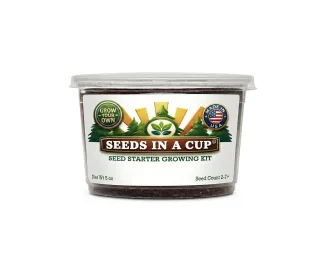
For a beginner, classroom, gift recipient, or busy gardener who wants a simple entry point, the Common Sage Heritage Healing Kit | Seeds In A Cup® from Seeds In A Cup® can provide recyclable clear planter, nutrient-rich potting soil, non-GMO seeds, mini-greenhouse lid. The plant-specific starter guidance in the dataset is: “‘Heat soak’ in Seeds In A Cup® greenhouse mimics Mediterranean roots.”. Treat the kit as a starting system: once the seedling outgrows its space or its crop type requires a permanent bed, larger container, or garden row, transition it thoughtfully rather than forcing mature growth in an undersized vessel.
Pests, Diseases, and Resilience
The dataset's issue note is “Powdery mildew.”. Its stated tolerances are “Drought tolerant; frost hardy.”.
A sound plant-health approach begins with observation and prevention: select a suitable site, support healthy roots, avoid unnecessary stress, inspect regularly, and diagnose before treating. Do not assume that one symptom has only one explanation. A confirmed diagnosis is the foundation of responsible pest and disease management.
Uses and Cultivars
The source lists the following uses: “Traditional meat seasoning; antiseptic help.”
The source lists these cultivars: “‘Purpurascens’, ‘Tricolor’.”
These data points can help gardeners match a plant to a purpose. Still, use caution around consumption and health claims. Traditional or culinary association does not mean every plant part, cultivar, preparation, or quantity is safe for every person or animal.
Safety and Responsible Use
Safety, Allergies, Pets, Children, and Responsible Gardening
The safety note in the supplied dataset is “Safe for consumption.”. This is useful context, but it is not a substitute for a current, authoritative safety check when a child, pet, livestock animal, allergy concern, medical condition, or food-use question is involved. Common names can refer to multiple plants, and safety can differ among plant parts, growth stages, preparations, and closely related species.
A Practical Household Safety Checklist
- Keep seeds, fertilizers, pesticides, and unfamiliar plant material out of reach of children and animals.
- Do not assume a garden plant is edible simply because it is attractive, fragrant, or associated with food.
- Verify the exact botanical identity before eating leaves, roots, fruit, flowers, seeds, or other tissues.
- Wear gloves if you have sensitive skin or if the plant is known to cause irritation.
- Wash hands after gardening, particularly before handling food or touching eyes.
- Seek current veterinary or medical guidance quickly if ingestion, exposure, or an allergic reaction is suspected.
- Follow product labels for every amendment or treatment used around the plant.
Conservation and Garden Stewardship
The dataset describes the conservation context as “Secure.”. Responsible gardening also includes choosing seeds and plants from reputable sources, avoiding the release of non-native or invasive material into unmanaged spaces, using water carefully, protecting pollinators during bloom, and disposing of diseased plant material in a way that aligns with local guidance.
A useful garden is not only productive; it is managed with attention to the surrounding ecosystem. That includes observing pollinators and beneficial insects, avoiding unnecessary chemical use, protecting soil structure, and learning which gardening practices are appropriate for your region. Gardeners get better results when they treat plant care as a relationship among species, weather, soil, water, and time rather than as a series of isolated product purchases.
Frequently Asked Questions
How do you grow sage from seed?
Full sun, great drainage. Do not overwater.
What conditions does sage need to grow well?
The dataset associates this plant with “Sunny hillsides, alkaline soil.”. Its listed tolerance profile is “Drought tolerant; frost hardy.”. Use those details as the primary site-selection framework.
How long does sage take to mature or reach harvest?
Blooms early summer; purple spikes.
Can sage be grown in a container?
Container success depends on the mature root system, plant size, and crop goal. Use a container with drainage, enough volume for the plant's mature stage, and a plan for transplanting if the starter vessel is temporary.
What pests or diseases affect sage?
Powdery mildew.
How do you prevent common sage problems?
Use clean growing media, adequate spacing, sound drainage, regular inspection, and prompt removal of clearly diseased plant material. Avoid treating symptoms by guesswork; match any intervention to an identified cause.
How do you harvest or use sage?
Traditional meat seasoning; antiseptic help.
Which sage varieties or cultivars should gardeners consider?
‘Purpurascens’, ‘Tricolor’.
Is sage safe around pets, children, or people with allergies?
Safe for consumption.
Can sage be propagated or grown again?
By seed or cuttings.
Suggested Research Path
The dataset identifies the following reference starting points for further study: The Sage Book, Missouri Botanical Garden. Before acting on a site-specific question such as pesticide selection, disease diagnosis, regional planting dates, or pet exposure, verify the current guidance directly with an applicable university extension service, botanical institution, seed supplier, or veterinary authority. Recommendations can differ by cultivar, climate, product label, and local regulation.
Summary
The most reliable way to grow and understand sage is to combine its botanical identity, documented habitat, growth habit, cultivation note, tolerance profile, and seasonal behavior with careful local observation. Start small, keep good labels and notes, verify safety and plant-specific claims when they matter, and let the plant's actual response guide your next decision.