Germination01
7-21 days

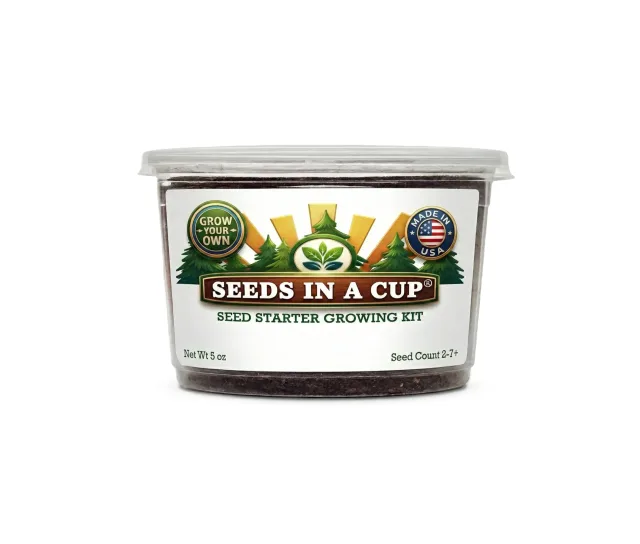
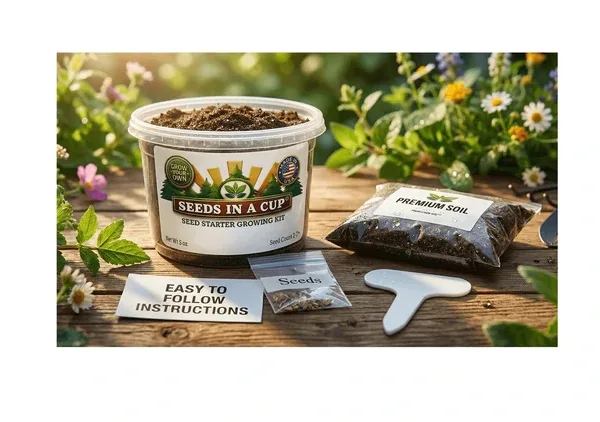
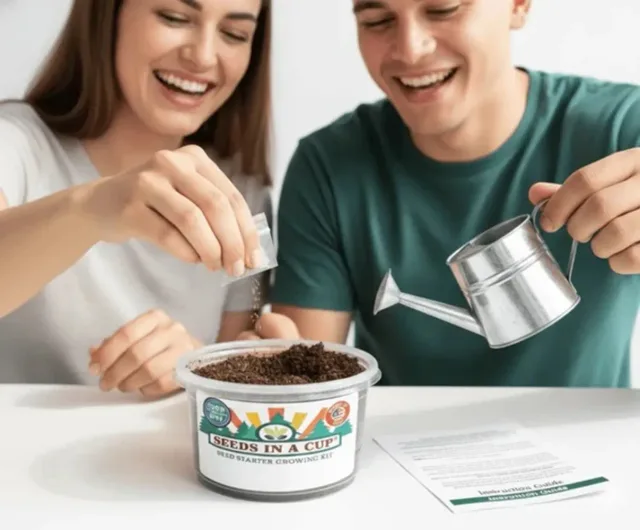
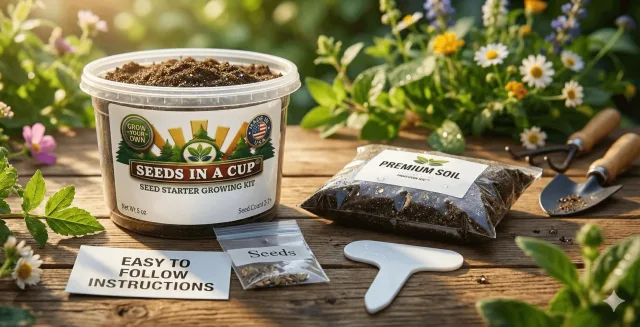

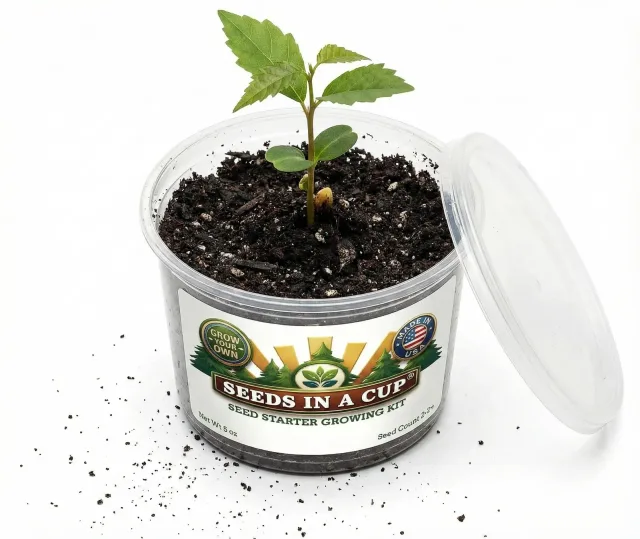
Gallery includes shared Seeds In A Cup® brand imagery. Plant-specific packaging may differ.
BOTANICAL NAMERobinia pseudoacacia
USD 14.99
100 in stock
Black locust is one of the fastest-growing native shade trees, draped in fragrant white flowers bees love.
Have a question about this kit?
Ask our team →Get to know your plant
The growing details, all in one place.
7-21 days
Full Sun (6-8 hours daily)
70-80F (after scarification)
USDA Zones 4-8 (Outdoor); All Zones (Indoor)
THE PLANT NOTEBOOK
Extremely fast. Tolerates poor, dry soil. Full sun required.
Seeds have a very hard coat. Seeds In A Cup® recommends the scarification methodology (sandpaper rub) before planting.
By seed or root cuttings.
Blooms spectacularly in late spring; fixes significant nitrogen in the soil.
Disturbed soils, dry hillsides, and forest edges.
Highly drought and road salt tolerant.
Locust borer and locust leafminer.
Bark and seeds are toxic to livestock; flowers are edible for humans.
A fast-growing deciduous tree with pinnate leaves, thorns on young branches, and fragrant white pea-like flowers.
‘Frisia’ (Golden leaves), ‘Purple Robe’.
Timber is rot-resistant (fence posts, ship hulls). Flowers produce world-famous Acacia honey
Endemic to the Appalachian mountains; globally widespread.
Secure; considered invasive in some non-native ranges.
Named after Jean Robin, herbalist to French kings.
Crucial to American pioneers for building fence posts that lasted decades longer than other woods.
Good questions grow here
Yes — Black Locust Tree seeds have a hard coat. Nick or sand each seed and soak overnight in warm water before sowing to help them sprout.
Black Locust Tree seeds typically sprout in 7-14 days at 70-80F when kept warm and evenly moist. Your guide lists the ideal conditions.
You start Black Locust Tree indoors in any climate using the kit. Once established it can be moved outdoors in USDA Zones 4-8 (Outdoor), or kept in a container in colder regions.
Growing details are supplied in the Seeds In A Cup® product catalog. Follow the instructions included with your specific kit.
Our information standards ↗The growing journal
5 articles matched to this plant.
Black Locust · Growing guides
A comprehensive, data-grounded guide to growing Black Locust, including seed starting, site planning, care, problems, harvest, safety, and FAQs.
Read articleBlack Locust · Growing guides
Learn how to plan, start, transplant, and care for Black Locust with a structured seed-to-garden workflow and clear answers to common questions.
Read articleBlack Locust · Plant health
A practical troubleshooting guide for Black Locust covering diagnosis, pest and disease prevention, environmental stress, seasonal care, and FAQs.
Read articleBlack Locust · Harvest & uses
Explore Black Locust harvest timing, documented uses, variety selection, safe handling, propagation, and practical home-garden planning.
Read articleBlack Locust · Botanical profiles
An educational botanical profile of Black Locust, including taxonomy, history, distribution, cultivation facts, safety considerations, and FAQs.
Read article