Germination01
10-14 days

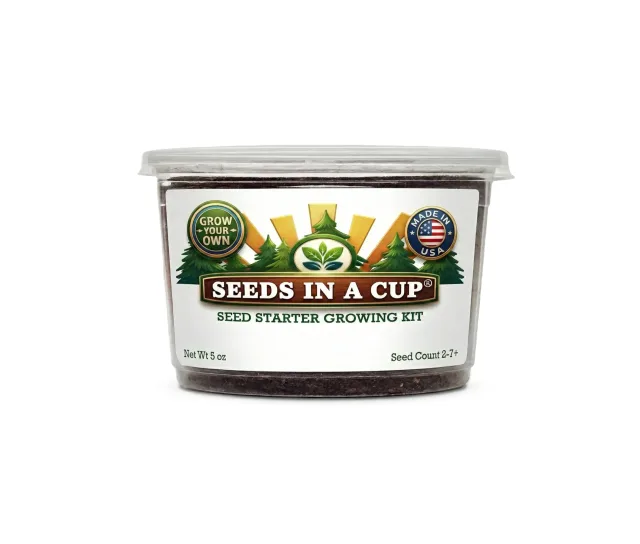
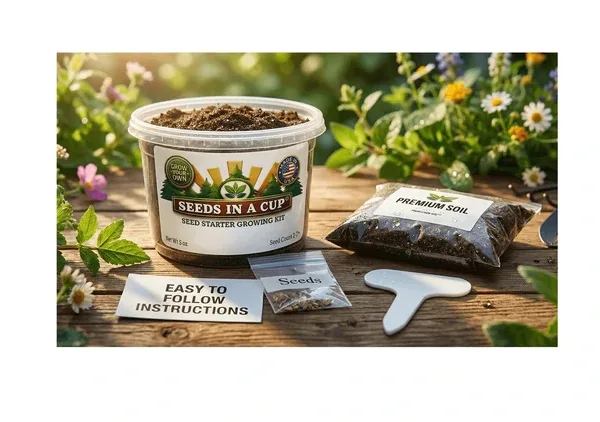
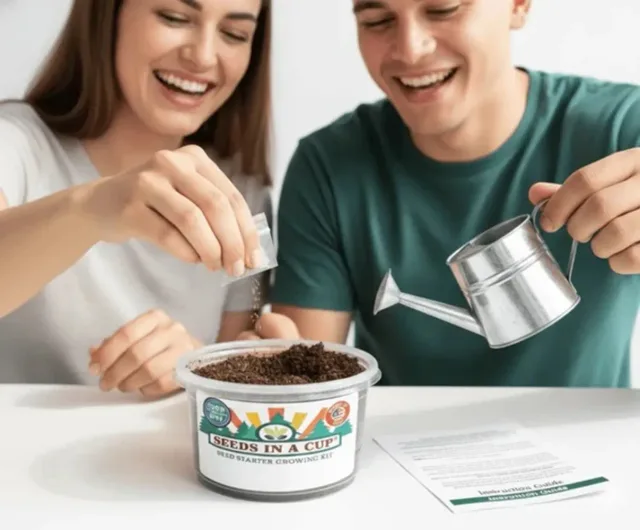
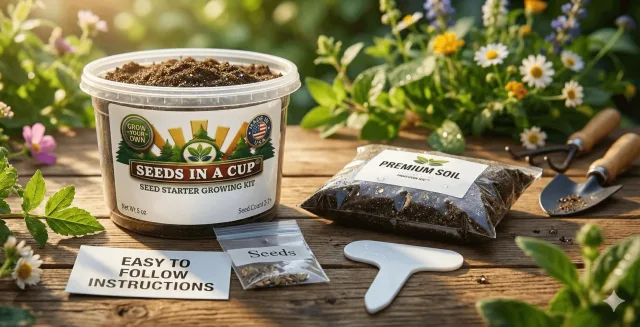

Gallery includes shared Seeds In A Cup® brand imagery. Plant-specific packaging may differ.
BOTANICAL NAMEAllium schoenoprasum
USD 10.99
100 in stock
Chives are the gentlest member of the onion family, adding a mild, fresh bite and edible purple pompom flowers.
Have a question about this kit?
Ask our team →Get to know your plant
The growing details, all in one place.
10-14 days
Full Sun to Partial Shade (4-6 hours daily)
65-75F
Check the directions supplied with your seed variety.
THE PLANT NOTEBOOK
Very easy to grow. Clumps expand over time. Full sun to partial shade.
Watch the first tiny 'hooks' of chive seedlings emerge in your Seeds In A Cup® kit—a classic botanical stage.
By seed or division of clumps.
Harvest leaves continuously from spring through fall.
Sunny meadows, rocky slopes, and moist banks.
Extremely frost hardy; survives sub-zero winters easily.
Onion thrips; generally very resistant to most pests.
Safe for humans; toxic to cats and dogs.
A perennial bulbous plant with hollow, grass-like leaves and purple pom-pom flowers.
‘Staro’, ‘Forescate’.
Culinary garnishing with a mild onion flavor. Edible purple flowers
Native to temperate regions of Europe, Asia, and North America.
Widespread and secure.
Latin ‘cepa’ (onion), through Old French ‘cive’.
Grown in Chinese gardens for over 5,000 years; once hung in houses to ward off evil.
Good questions grow here
Moisten the included soil, sow your Chives seeds at the depth on the instruction card, keep the planter warm and bright under the humidity lid, and mist until they sprout. Full steps are in your kit.
Chives seeds typically sprout in 10-14 days at 65-75F when kept warm and evenly moist. Your guide lists the ideal conditions.
Growing details are supplied in the Seeds In A Cup® product catalog. Follow the instructions included with your specific kit.
Our information standards ↗The growing journal
8 articles matched to this plant.
chives · Growing guides
Whether you are establishing a backyard garden, a community plot, or an indoor sanctuary, mastering the cultivation of Chives requires a deep understanding of its biological prefer
Read articlechives · Plant health
The successful cultivation of Chives extends far beyond planting seeds and providing water; it requires proactive management of the surrounding ecosystem. As a highly sought-after
Read articlechives · Harvest & uses
Cultivating Chives is an investment of time and resources; the true reward lies in mastering the harvest. Knowing exactly when and how to harvest Chives dictates the quality of the
Read articleChives · Growing guides
A comprehensive, data-grounded guide to growing Chives, including seed starting, site planning, care, problems, harvest, safety, and FAQs.
Read articleChives · Growing guides
Learn how to plan, start, transplant, and care for Chives with a structured seed-to-garden workflow and clear answers to common questions.
Read articleChives · Plant health
A practical troubleshooting guide for Chives covering diagnosis, pest and disease prevention, environmental stress, seasonal care, and FAQs.
Read article