Germination01
14-21 days

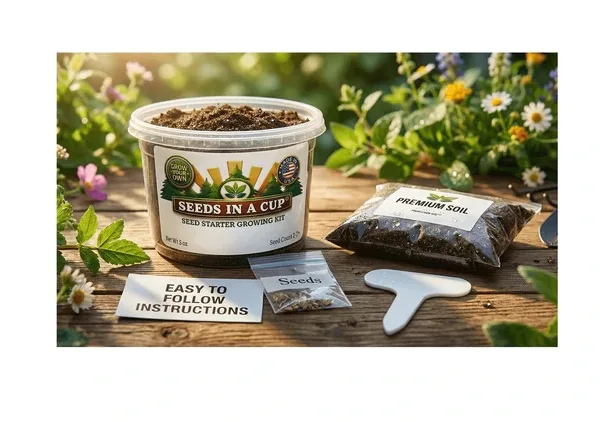
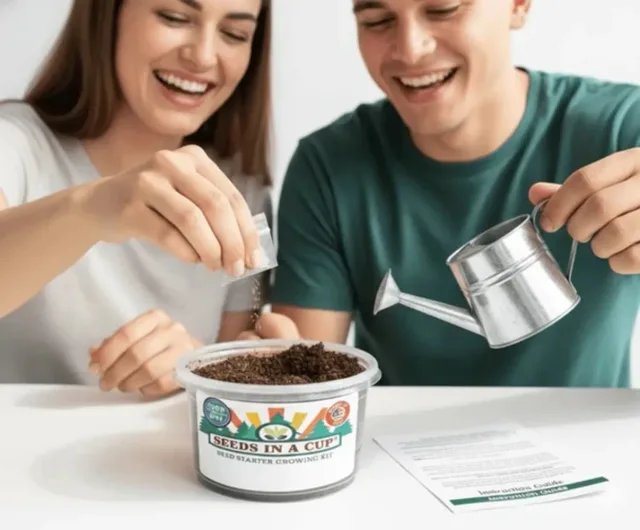
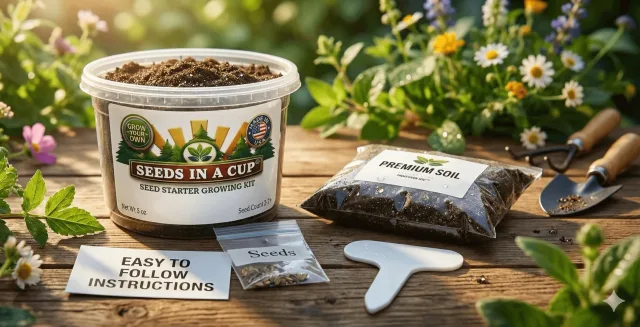

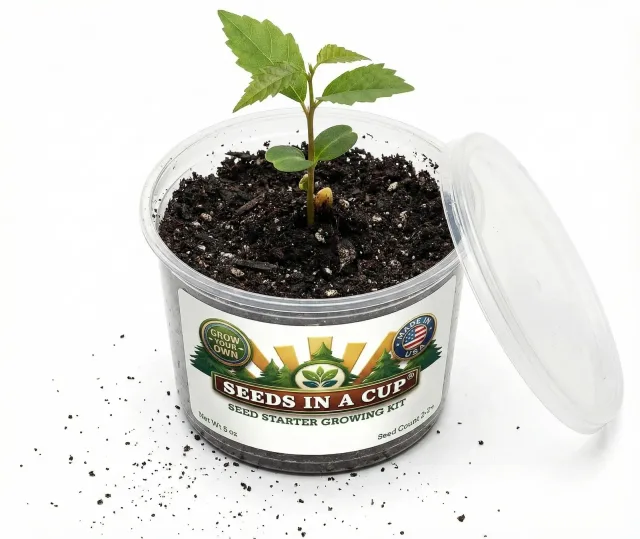
Gallery includes shared Seeds In A Cup® brand imagery. Plant-specific packaging may differ.
BOTANICAL NAMELagerstroemia indica
USD 14.99
100 in stock
Crepe myrtle carries summer with weeks of crinkled, crepe-paper blooms on a tree small enough for a patio.
Have a question about this kit?
Ask our team →Get to know your plant
The growing details, all in one place.
14-21 days
Full Sun (6-8 hours daily)
70-80F
USDA Zones 6-10 (Outdoor); All Zones (Indoor)
THE PLANT NOTEBOOK
World Flora Online accepts Lagerstroemia indica L. NC State lists the former name L. chinensis. Many garden crape myrtles, especially newer dwarf and hardier types, are hybrids of L. indica with L. fauriei or L. speciosa, sometimes sold as L. x fauriei or L. x hybrida. Seed from garden plants can therefore give mixed flower colors and sizes. 'Crepe' and 'crape' are both used.
Grow in full sun (6+ hours) in moist, well-drained soil; once established it tolerates occasional wet or dry spells. In colder zones, shelter it from winter wind and mulch the roots. It does not need topping for size control: thin it in late winter or spring, before new growth starts. Sources: l1
Generally unnecessary. In a University of Minnesota trial, seed that was simply sown and lightly covered germinated 75% at a 68°F soil temperature. Seed sellers often suggest a short cold period or an overnight soak, but no university or research source was found showing either helps (Not verified). Sources: l3
Sow on the surface and cover very lightly. Keep the soil near 68°F (20°C) with long days or bright light. In the Minnesota trial, seedlings came up 2-4 weeks after sowing. Sources: l3
In the trial, midsummer-sown seedlings went into 4-inch pots in early fall and were grown warm (78°F day / 70°F night) under long days with a dilute constant feed. Once established, give full sun and good air flow, which also helps limit powdery mildew. Sources: l3, l1
The cup is a temporary seedling stage. Crape myrtle grows quickly, so move seedlings into a larger pot (the trial used 4-inch pots) and later into a full-sun garden spot. In zones 5-6, expect top growth to be at risk of winter injury. Sources: l1, l3
Grows fast to 6-30 ft tall and wide as a multi-trunked tree or large shrub; size depends heavily on the parent type. NC State suggests 12-24 ft of space. Seed-grown dwarf strains stay much smaller. Sources: l1, l3, l4
Suited to USDA zones 6a-9b. In zones 5-6, top growth is prone to winter injury. It grows in clay, loam, sand or shallow rocky soil, from acidic to alkaline, if drainage is good. Sources: l1
Tolerates deer, drought and pollution once established. Sources: l1
Crinkled flowers in 6-18 inch clusters appear July-September on the current year's growth. The species is rose to red, and cultivars come in white, pink, red and purple. Seedlings can flower in their second year; a dwarf seed strain bloomed about 19-20 weeks after sowing in a heated greenhouse with long days. Half-inch capsules hang on through winter and release winged seeds. Sources: l1, l3, l4
Grown from seed or stem cuttings. Softwood or semi-hardwood cuttings dipped in 1000 ppm IBA root under mist in 2-3 weeks. Named cultivars must be grown from cuttings to stay true; seedlings vary in flower color and size. Sources: l1, l3
Watch for aphids, scales, flea beetles and especially crape myrtle bark scale. Leaf spots and powdery mildew are the main diseases. Mildew-resistant cultivars include 'Natchez' and 'Catawba'. Sources: l1
The ASPCA lists crape myrtle as non-toxic to dogs, cats and horses. Fallen flowers can stain walkways and car paint, so avoid planting next to driveways. Sources: l2, l1
Native to Asia and introduced in many US states. The UF/IFAS Assessment of Non-Native Plants rates it 'not considered a problem species at this time' in North, Central and South Florida. Its status on other states' lists was not verified. Sources: l1, l5
Used as a specimen, accent, hedge, screen, street tree or container plant. It attracts pollinators and butterflies, and compact seed strains make flowering potted plants. Sources: l1, l3
Native to eastern and southern Asia. NC State gives the range as the central Himalayas to southern China and Indochina, plus the Philippines and Japan, while Trees and Shrubs Online says China and Korea; the sources differ. Sources: l1, l4
Good questions grow here
Moisten the included soil, sow your Crepe Myrtle seeds at the depth on the instruction card, keep the planter warm and bright under the humidity lid, and mist until they sprout. Full steps are in your kit.
Crepe Myrtle seeds typically sprout in 14-21 days at 70-80F when kept warm and evenly moist. Your guide lists the ideal conditions.
You start Crepe Myrtle indoors in any climate using the kit. Once established it can be moved outdoors in USDA Zones 6-10 (Outdoor), or kept in a container in colder regions.
Growing details are supplied in the Seeds In A Cup® product catalog. Follow the instructions included with your specific kit.
Our information standards ↗