Germination01
30-90 days

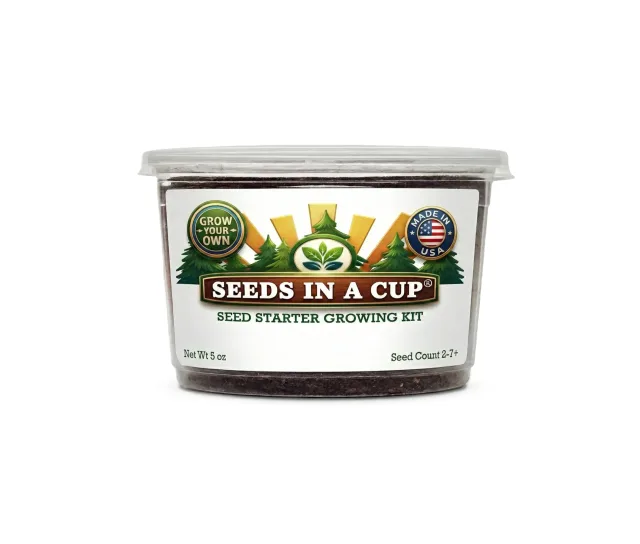
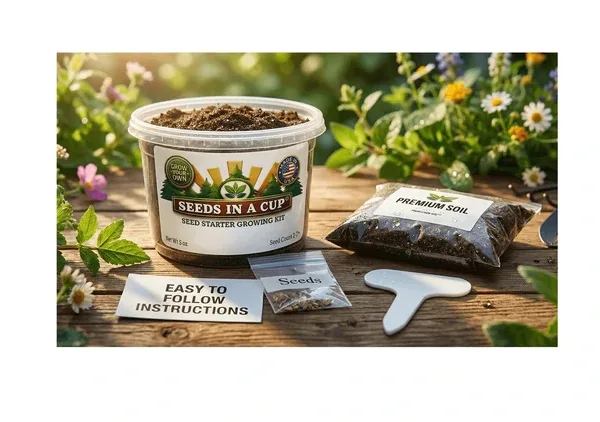
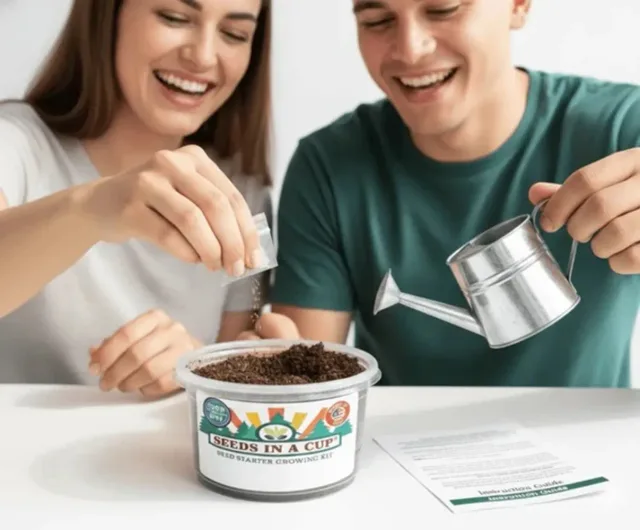
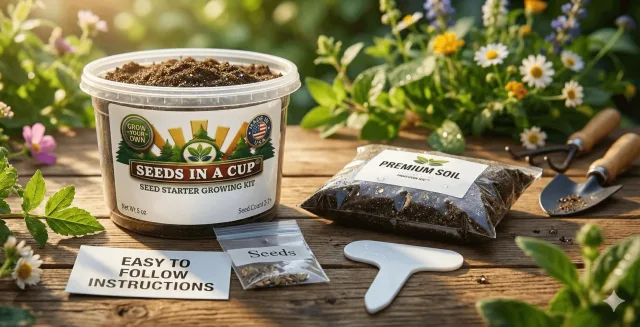

Gallery includes shared Seeds In A Cup® brand imagery. Plant-specific packaging may differ.
BOTANICAL NAMEIlex opaca
USD 14.99
100 in stock
American holly is the classic evergreen of the holidays, with glossy, spined leaves and bright red winter berries.
Have a question about this kit?
Ask our team →Get to know your plant
The growing details, all in one place.
30-90 days
Full Sun to Partial Shade (4-6 hours daily)
40F (cold stratification)
Check the directions supplied with your seed variety.
THE PLANT NOTEBOOK
Sun or shade. Likes acidic soil. Plant in groups for berries.
Holly seeds take a long time to germinate (dormancy). The Seeds In A Cup® kit uses stratified seeds to speed this up.
Cuttings or seed.
Dioecious (needs male and female to fruit). Berries persist into winter.
Moist, acidic forests.
Shade tolerant; pollution tolerant.
Leaf miner and scale.
Berries are toxic to humans/pets (vomiting); leaves are spiny.
An evergreen tree/shrub with spiny, leathery leaves and bright red berries (drupes) on female plants.
‘Satyr Hill’, ‘Jersey Princess’.
Winter holiday decoration. wood used for piano keys (dyed black)
Eastern and South-Central United States.
Secure.
‘Ilex’ is the Latin name for Holm Oak (which has similar leaves).
Associated with winter solstice celebrations and protection against lightning.
Good questions grow here
Yes — American Holly seeds are raw and untreated, so they need a cold, moist rest to break dormancy. Mix them into the damp soil, cover with the lid, and chill the planter in the refrigerator for several weeks, then move it somewhere warm and bright.
American Holly seeds typically sprout in 30-60 days at 40F when kept warm and evenly moist. Your guide lists the ideal conditions.
You start American Holly indoors in any climate using the kit. Once established it can be moved outdoors in Any Zone If grown indoors, or kept in a container in colder regions.
Growing details are supplied in the Seeds In A Cup® product catalog. Follow the instructions included with your specific kit.
Our information standards ↗The growing journal
5 articles matched to this plant.
American Holly · Growing guides
A comprehensive, data-grounded guide to growing American Holly, including seed starting, site planning, care, problems, harvest, safety, and FAQs.
Read articleAmerican Holly · Growing guides
Learn how to plan, start, transplant, and care for American Holly with a structured seed-to-garden workflow and clear answers to common questions.
Read articleAmerican Holly · Plant health
A practical troubleshooting guide for American Holly covering diagnosis, pest and disease prevention, environmental stress, seasonal care, and FAQs.
Read articleAmerican Holly · Harvest & uses
Explore American Holly harvest timing, documented uses, variety selection, safe handling, propagation, and practical home-garden planning.
Read articleAmerican Holly · Botanical profiles
An educational botanical profile of American Holly, including taxonomy, history, distribution, cultivation facts, safety considerations, and FAQs.
Read article