Germination01
7-30 days

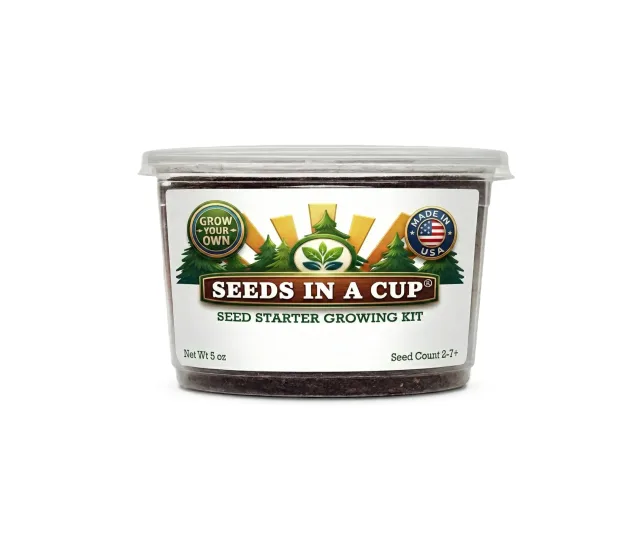
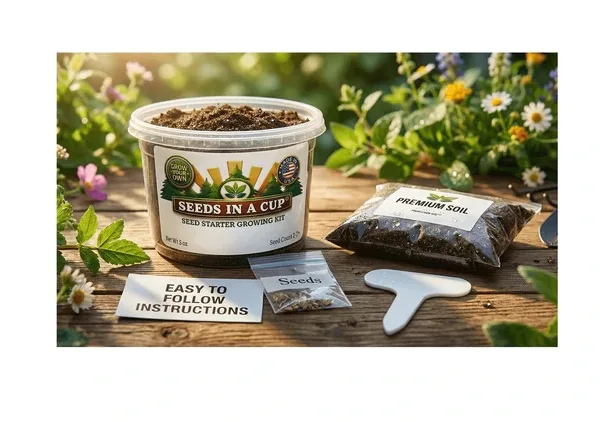
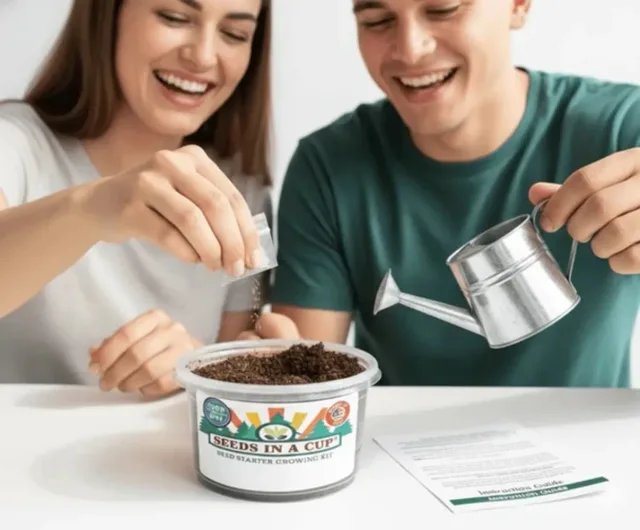
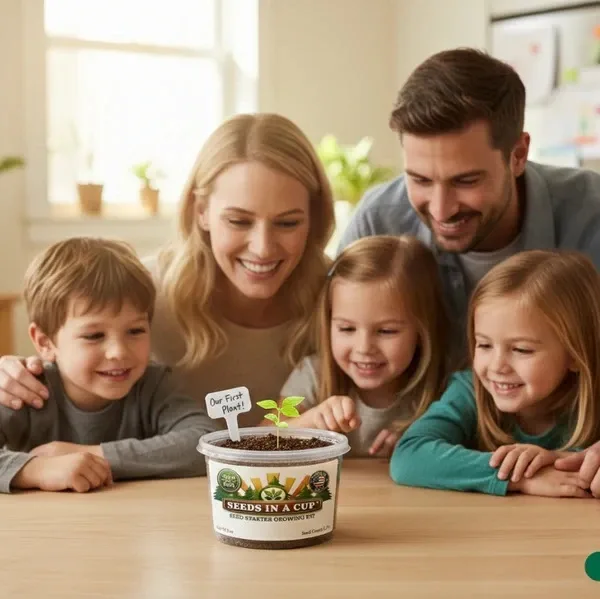
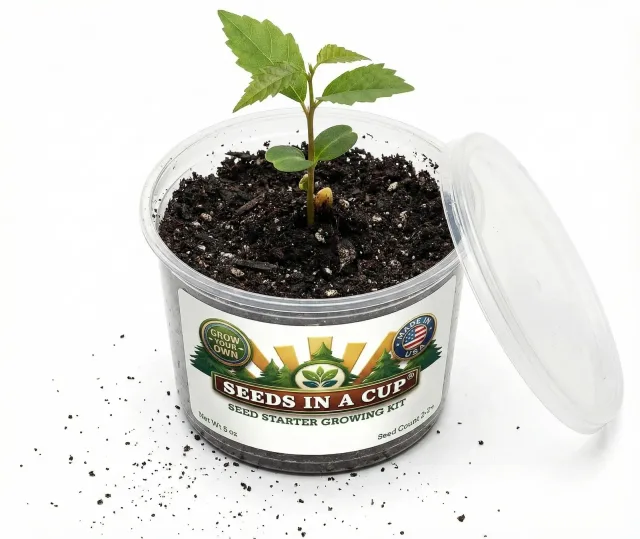
Gallery includes shared Seeds In A Cup® brand imagery. Plant-specific packaging may differ.
BOTANICAL NAMEHibiscus rosa-sinensis
USD 14.99
100 in stock
Hibiscus opens dramatic, dinner-plate tropical blooms that bring a resort feel to any sunny patio or window.
Have a question about this kit?
Ask our team →Get to know your plant
The growing details, all in one place.
7-30 days
Full Sun (6-8 hours daily)
75-85F
USDA Zones 9-11 (Outdoor); All Zones (Indoor)
THE PLANT NOTEBOOK
Accepted name Hibiscus rosa-sinensis L. (GBIF backbone match, accepted). UF/IFAS lists no synonyms. The garden plants sold as tropical hibiscus are largely hybrids and named cultivars, so seed from them gives variable offspring. This is a tropical evergreen shrub that can be trained into a small tree. It is not one of the hardy hibiscuses such as Rose of Sharon (H. syriacus).
Tropical hibiscus is an evergreen shrub that grows outdoors year-round only in USDA zones 9a to 11b. In colder areas, grow it in a container and bring it indoors to bright light before frost. Give it full sun to part shade and rich, moist soil with good drainage. It flowers on new growth. Sources: S1, S3
Helpful but not proven to be required. Hobbyist hybridizers soak dried seed overnight and then carefully nick the black seed coat. A UF/IFAS propagation database also lists scarification for this species, but that page now redirects and we saw it only in a search snippet. Cold stratification is not called for in any source we found. Sources: S5
Grower guidance (a hobbyist hibiscus site, not an extension source) says to sow seed 1/4 to 1/2 inch deep and keep it at about 80–85°F (about 27–29°C), with bottom heat if you can. Keep the mix moist but never soggy, because seed rots in wet media. Seedlings usually appear in about a week to a month. We found no extension figure for germination rate. Sources: S5
Move seedlings to bigger pots once they have several sets of true leaves and the stems have begun to firm up. Get them used to direct sun gradually over several days, and keep them out of temperatures in the 40s°F. UF/IFAS notes that even a slight cold snap can yellow the lower leaves and make them drop. Sources: S5, S3
The starter cup is only a temporary home. This is a woody shrub that can reach 4 to 10 feet, so move seedlings into bigger pots once they have several sets of true leaves. After that, keep it in a large container or plant it outdoors in zones 9–11. Sources: S5, S1
Mature plants reach about 4 to 10 feet tall and 5 to 8 feet wide. Container plants stay smaller. Cutting the plant back by about half in early spring keeps it compact. Sources: S1
Give it full sun to part shade (2 to 6 hours of direct sun works), soil high in organic matter, and evenly moist roots. It likes high humidity and needs shelter from wind and frost. Indoors, it can grow in a large container in bright light. Sources: S1
It does not tolerate frost. In North Florida it freezes to the ground but usually comes back from the roots, and in Central and South Florida it stays green all year. Moving the plant can make it drop leaves and buds. NC State lists it as deer resistant. Sources: S1, S3
Established plants can bloom in spring, summer and fall. Each funnel-shaped flower, 3 to 6 inches across, lasts only one day. Grower reports put the first flowers on seedlings at about 6 to 24 months after sowing, depending on warmth and care. No extension source confirmed that range. Sources: S1, S5
NC State lists stem cuttings as the propagation method. Use cuttings when you want a copy of a particular flower, because they reproduce the parent plant and seed does not. Seed is mainly how breeders get new, one-of-a-kind plants. Sources: S1, S5
Watch for scale, aphids, whiteflies and mealybugs, which tend to gather on leaves and flower buds. Their honeydew can lead to sooty mold. UF/IFAS says early infestations are easily controlled with insecticidal soap or horticultural oil, and warns against using malathion on hibiscus. Sources: S1, S3
Pet safety for this species is not verified. The ASPCA's "Hibiscus" entry is for Hibiscus syriacus (Rose of Sharon), a different species, which it lists as non-toxic to dogs, cats and horses. We found no ASPCA entry for H. rosa-sinensis, and NC State gives no toxicity information. Keep plants and seeds away from pets that chew. Sources: S4, S1
The UF/IFAS Assessment of Non-native Plants rates H. rosa-sinensis "Not a problem species" in North, Central and South Florida (assessed 2005, 2015 and 2025). We did not check other states' lists. Sources: S2
Grow it as a container plant, a houseplant, a hedge or screen, or a single accent shrub. The flowers draw hummingbirds, butterflies and other pollinators. Sources: S1
Native to tropical Asia. It is widely planted in warm climates, including South and Central Florida. Sources: S1, S2, S3
Good questions grow here
Moisten the included soil, sow your Hibiscus seeds at the depth on the instruction card, keep the planter warm and bright under the humidity lid, and mist until they sprout. Full steps are in your kit.
Hibiscus seeds typically sprout in 7-30 days at 75-85F when kept warm and evenly moist. Your guide lists the ideal conditions.
You start Hibiscus indoors in any climate using the kit. Once established it can be moved outdoors in USDA Zones 9-11 (Outdoor), or kept in a container in colder regions.
Growing details are supplied in the Seeds In A Cup® product catalog. Follow the instructions included with your specific kit.
Our information standards ↗The growing journal
8 articles matched to this plant.
Hibiscus · Growing guides
A comprehensive, data-grounded guide to growing Hibiscus, including seed starting, site planning, care, problems, harvest, safety, and FAQs.
Read articleHibiscus · Growing guides
Learn how to plan, start, transplant, and care for Hibiscus with a structured seed-to-garden workflow and clear answers to common questions.
Read articleHibiscus · Plant health
A practical troubleshooting guide for Hibiscus covering diagnosis, pest and disease prevention, environmental stress, seasonal care, and FAQs.
Read articleHibiscus · Harvest & uses
Explore Hibiscus harvest timing, documented uses, variety selection, safe handling, propagation, and practical home-garden planning.
Read articleHibiscus · Botanical profiles
An educational botanical profile of Hibiscus, including taxonomy, history, distribution, cultivation facts, safety considerations, and FAQs.
Read articlehibiscus · Growing guides
Whether you are establishing a backyard garden, a community plot, or an indoor sanctuary, mastering the cultivation of Hibiscus requires a deep understanding of its biological pref
Read article