Germination01
30-90 days

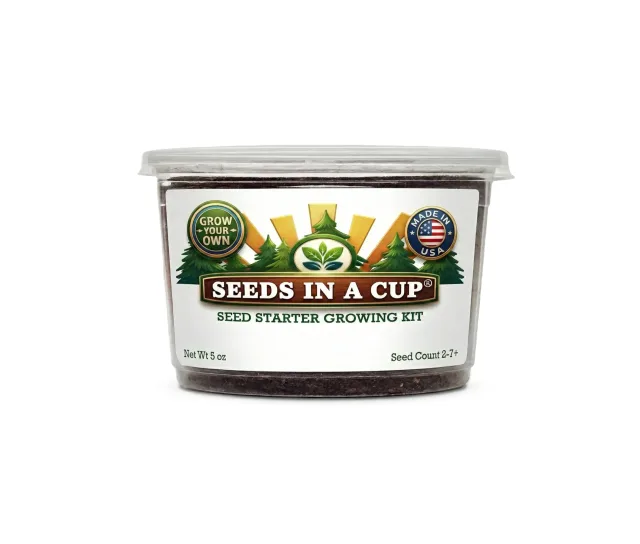
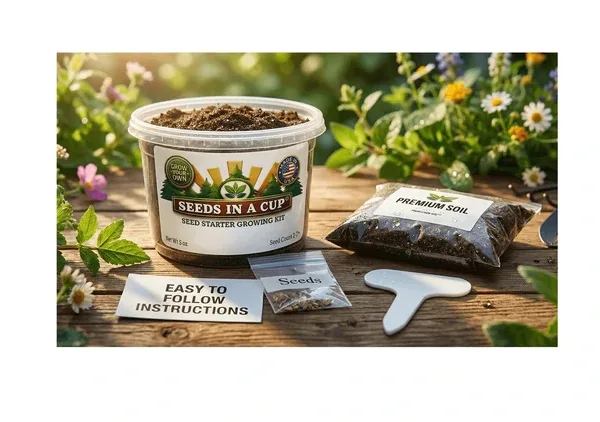
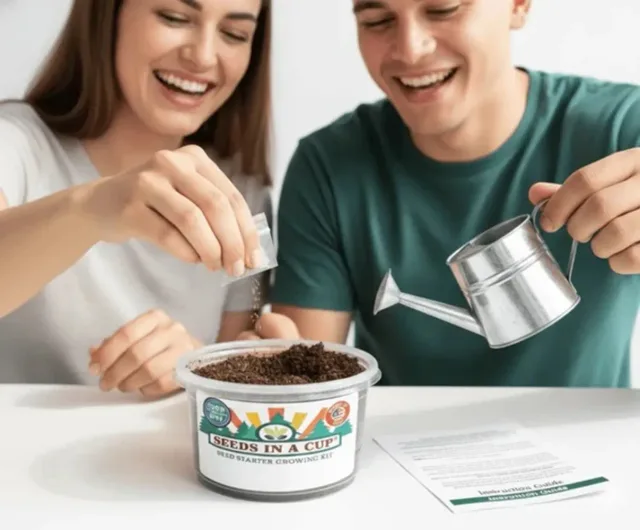
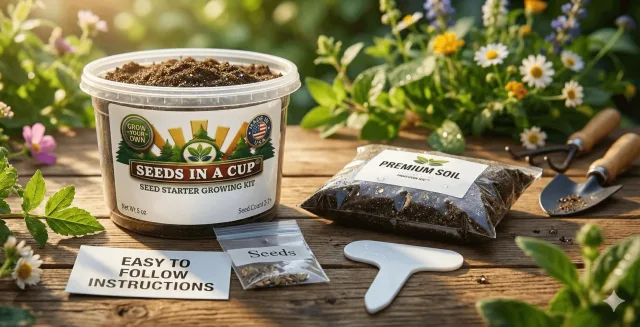

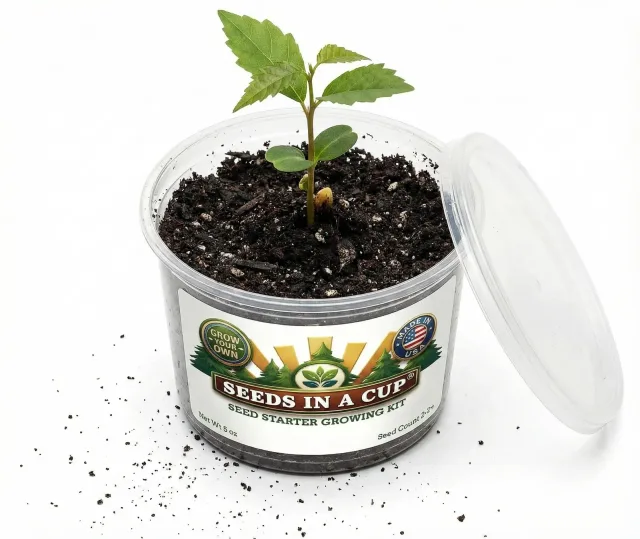
Gallery includes shared Seeds In A Cup® brand imagery. Plant-specific packaging may differ.
BOTANICAL NAMESyringa vulgaris
USD 14.99
100 in stock
Lilacs fill late spring with clusters of intensely fragrant purple blooms — one of the most nostalgic scents in any garden.
Have a question about this kit?
Ask our team →Get to know your plant
The growing details, all in one place.
30-90 days
Full Sun (6-8 hours daily)
33-40F (cold stratification)
USDA Zones 3-7 (Outdoor); All Zones (Indoor)
THE PLANT NOTEBOOK
Requires full sun and excellent drainage. Needs cold winters to bloom well. Neutral to slightly alkaline soil.
Students use the Seeds In A Cup® kit to observe the formation of the terminal flower buds that will 'sleep' through winter.
By seed, cuttings, or suckers.
Blooms briefly but intensely in mid-to-late spring. Characteristic heart-shaped leaves.
Rocky hillsides and sunny plains.
Extremely cold hardy; sensitive to extreme heat and humidity.
Powdery mildew (cosmetic) and Lilac borer.
Non-toxic; flowers are edible (used in jellies or sugar).
A large deciduous shrub famous for its extremely fragrant, conical clusters of purple or white flowers.
‘Charles Joly’, ‘Miss Kim’ (Dwarf).
Iconic fragrance. used in perfumes and as a premier ornamental specimen
Native to the Balkan Peninsula in SE Europe.
Secure; widely naturalized in North America.
From the Greek ‘syrinx’ (pipe), as the stems were once used to make flute pipes.
Brought to America in the 1750s; both George Washington and Thomas Jefferson planted them in their gardens.
Good questions grow here
Yes — Lilac seeds are raw and untreated, so they need a cold, moist rest to break dormancy. Mix them into the damp soil, cover with the lid, and chill the planter in the refrigerator for several weeks, then move it somewhere warm and bright.
Lilac seeds typically sprout in 30-60 days at 33-40F when kept warm and evenly moist. Your guide lists the ideal conditions.
Growing details are supplied in the Seeds In A Cup® product catalog. Follow the instructions included with your specific kit.
Our information standards ↗The growing journal
5 articles matched to this plant.
Lilac · Growing guides
A comprehensive, data-grounded guide to growing Lilac, including seed starting, site planning, care, problems, harvest, safety, and FAQs.
Read articleLilac · Growing guides
Learn how to plan, start, transplant, and care for Lilac with a structured seed-to-garden workflow and clear answers to common questions.
Read articleLilac · Plant health
A practical troubleshooting guide for Lilac covering diagnosis, pest and disease prevention, environmental stress, seasonal care, and FAQs.
Read articleLilac · Harvest & uses
Explore Lilac harvest timing, documented uses, variety selection, safe handling, propagation, and practical home-garden planning.
Read articleLilac · Botanical profiles
An educational botanical profile of Lilac, including taxonomy, history, distribution, cultivation facts, safety considerations, and FAQs.
Read article