When a fraser fir plant looks unhealthy, the fastest response is not always the best response. Leaves can yellow for many reasons. Wilting can result from drought or from roots sitting in water. Holes can be caused by insects, slugs, weather damage, or animals. This diagnostic guide helps gardeners slow down, collect evidence, correct cultural conditions, and apply targeted solutions only when the cause is reasonably clear.
The Plant-Specific Risk Profile
| Category | Source dataset information |
|---|---|
| Plant name | Fraser Fir |
| Botanical notes | A small evergreen conifer with soft, dark green needles with silver undersides. Pleasant turpentine scent. |
| Recorded habitat | High elevation cool forests. |
| Tolerances | Cold tolerant; low heat/drought tolerance. |
| Listed pests and diseases | Balsam woolly adelgid (major threat). |
| Seasonal or harvest note | Slow growing; retains needles long after cutting. |
Quick Answer: What Are the Most Common Fraser Fir Problems?
The plant-specific issue note in the source data is “Balsam woolly adelgid (major threat).”. However, gardeners should not treat that list as proof that every symptom has the same cause. The most common mistake is to see a damaged leaf, choose a product immediately, and miss a more basic issue such as excess water, poor drainage, root restriction, temperature stress, or a sudden change in sun exposure.
The First 10 Minutes of Diagnosis
- Take clear photos of the whole plant, affected leaves, stems, and the soil surface.
- Look at new growth and older growth separately.
- Inspect the underside of leaves and the junctions where stems meet leaves.
- Check soil moisture below the surface rather than judging only by the top layer.
- Review the last week of weather, watering, fertilization, transplanting, and sprays.
- Look for insects, eggs, webbing, residue, holes, spots, or unusual smell.
- Compare affected plants with healthy nearby plants.
- Confirm the plant identity and cultivar if possible.
- Make one or two evidence-based corrections rather than many unrelated changes.
- Recheck the plant after a reasonable interval and record the outcome.
Symptom-to-Response Table
| Symptom pattern | Possible categories | First responsible response |
|---|---|---|
| Yellow or pale leaves | Possible moisture, root, nutrient, temperature, pest, or natural-aging issue | Inspect the pattern, drainage, recent watering, roots if appropriate, and pests before changing fertilizer. |
| Wilted growth | Possible thirst, heat stress, root damage, waterlogging, or disease | Check soil moisture beneath the surface and inspect for root-zone or stem symptoms; do not assume wilt always means drought. |
| Chewed leaves | Possible insect, slug, snail, or other animal feeding | Look for the organism or its signs, assess timing, and choose a targeted control after confirmation. |
| Spots, coatings, or distorted leaves | Possible pathogen, insect, spray injury, nutrient issue, or weather damage | Photograph symptoms, compare both sides of leaves, check recent conditions, and use a reputable diagnostic resource. |
| Slow growth | Possible insufficient light, cold or heat stress, root restriction, nutrient issue, or competition | Review location, container volume, root health, and the plant's documented growth habit before intervening. |
Common Fraser Fir Problems and an Integrated Management Approach
The dataset lists the following plant-specific pest or disease note: “Balsam woolly adelgid (major threat).”. Treat that statement as a monitoring priority, not as a diagnosis for every yellow leaf, chewed edge, wilted stem, or slow-growing plant. Similar symptoms can arise from insects, fungal or bacterial disease, nutrient imbalance, temperature stress, root injury, herbicide drift, inconsistent moisture, poor drainage, or natural aging.
Use a Diagnose-Before-Treating Sequence
- Observe the pattern. Determine whether damage occurs on new growth, old leaves, a single branch, or the entire plant. Look for insects, eggs, webbing, frass, lesions, powdery growth, holes, distortion, discoloration, or root odor.
- Check recent conditions. Review rainfall, irrigation, heat, cold, transplanting, fertilizer, and any spray or product exposure. Environmental stress often explains a sudden change.
- Confirm the cause. Use a local extension diagnostic resource, a horticultural professional, or a clear, well-lit photo submitted to a reputable service when the issue is uncertain.
- Choose the least-disruptive effective response. Correct cultural conditions first when possible. Use physical exclusion, sanitation, hand removal, pruning, or targeted products only after confirming that they are appropriate.
- Follow every label. For any pesticide, fungicide, fertilizer, or biological control product, the product label is legally and practically important. It governs approved uses, protective equipment, waiting periods, application rates, and pollinator precautions.
Prevention Practices That Improve Decision Quality
- Start with healthy seed or transplants and clean containers.
- Use a growing site that matches the documented habitat and seasonal needs.
- Keep foliage and soil monitoring routine rather than waiting for severe damage.
- Avoid crowding when the growth habit requires more room and airflow.
- Water the root zone thoughtfully and avoid chronic saturation.
- Remove clearly diseased plant debris when a confirmed disease-management plan calls for sanitation.
- Rotate crop families where relevant and practical, especially when soilborne problems are known locally.
- Protect beneficial organisms by avoiding broad-spectrum interventions unless they are justified and correctly timed.
Why Good Diagnosis Matters
Aphid feeding, nutrient imbalance, and drought stress can all produce curled or pale growth. Leaf spots can be caused by several organisms or by environmental damage. A treatment that is harmless in one situation may be ineffective or counterproductive in another. The most sustainable “fix” is usually the one that addresses the actual cause and avoids creating new stress for the plant, nearby pollinators, soil organisms, pets, children, or the gardener.
Seasonal Stress and Recovery
The stated tolerance profile for fraser fir is “Cold tolerant; low heat/drought tolerance.”. Use this record as a planning signal for weather risk. Sudden heat, frost, strong wind, standing water, or an abrupt indoor-to-outdoor move can all reduce growth temporarily. Rather than immediately adding fertilizer or spraying, stabilize the environment first: correct moisture extremes, improve drainage or protection where appropriate, and give the plant time to respond. Healthy roots and steady conditions are usually more valuable than frequent intervention.
Environmental Stress: The Problem That Mimics Pests and Disease
Environmental stress is often overlooked because it does not always leave a single obvious culprit. A container may heat up faster than a garden bed. A cold night can slow warm-adapted growth. A week of rain can deprive roots of oxygen. A sudden move from indoor light to intense outdoor sun can scorch foliage. A plant can also be stressed by crowding, inconsistent watering, compacted soil, or a pot that has become too small.
The source record describes the habitat as “High elevation cool forests.” and the tolerance profile as “Cold tolerant; low heat/drought tolerance.”. Use these entries to ask better questions: Does the current setting resemble the type of environment associated with this plant? Has a weather event pushed the plant beyond a likely comfort zone? Is the root zone draining and receiving enough oxygen?
Seasonal Care Strategy
Spring and Establishment
Start with clean materials, clear labels, and the documented cultivation direction: “Requires cool, moist climates and well-drained acidic soil. Difficult in hot lowlands.”. Newly established plants benefit most from stable conditions and careful observation. Avoid overcorrecting minor fluctuations that may resolve naturally.
Summer and Peak Growth
Pay attention to changing moisture demand, heat reflected from hard surfaces, and increased pest activity. Provide support or more space if the documented growth habit indicates it may be needed: “A small evergreen conifer with soft, dark green needles with silver undersides. Pleasant turpentine scent.”. Inspect frequently enough to catch problems while they are local rather than widespread.
Autumn, Harvest, and Cleanup
The source phenology note is “Slow growing; retains needles long after cutting.”. Use it as a guide to expected seasonal transitions. Remove plant debris only as appropriate to the crop and local disease-management advice. If you plan to save seed or propagate plants, verify the method: “By seed.”.
Winter and Indoor Conditions
If moving a plant indoors or protecting it through cold weather, verify the exact species and cultivar requirements. Indoor environments have different light intensity, airflow, humidity, and watering patterns than outdoor beds. Reduce the temptation to keep a plant constantly wet simply because it is indoors; roots still need oxygen.
A Beginner-Friendly Start
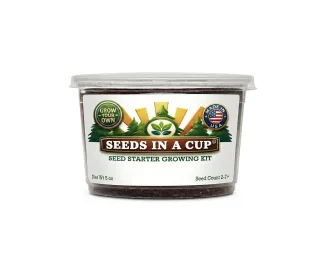
For a beginner, classroom, gift recipient, or busy gardener who wants a simple entry point, the Fraser Fir Christmas Legend Kit | Seeds In A Cup® from Seeds In A Cup® can provide recyclable clear planter, acidic potting soil, non-GMO seeds, mini-greenhouse lid. The plant-specific starter guidance in the dataset is: “Use the Seeds In A Cup® greenhouse to maintain the cool humidity these mountain seeds require.”. Treat the kit as a starting system: once the seedling outgrows its space or its crop type requires a permanent bed, larger container, or garden row, transition it thoughtfully rather than forcing mature growth in an undersized vessel.
FAQ: Diagnosing and Caring for Fraser Fir
Frequently Asked Questions
How do you grow fraser fir from seed?
Requires cool, moist climates and well-drained acidic soil. Difficult in hot lowlands.
What conditions does fraser fir need to grow well?
The dataset associates this plant with “High elevation cool forests.”. Its listed tolerance profile is “Cold tolerant; low heat/drought tolerance.”. Use those details as the primary site-selection framework.
How long does fraser fir take to mature or reach harvest?
Slow growing; retains needles long after cutting.
Can fraser fir be grown in a container?
Container success depends on the mature root system, plant size, and crop goal. Use a container with drainage, enough volume for the plant's mature stage, and a plan for transplanting if the starter vessel is temporary.
What pests or diseases affect fraser fir?
Balsam woolly adelgid (major threat).
How do you prevent common fraser fir problems?
Use clean growing media, adequate spacing, sound drainage, regular inspection, and prompt removal of clearly diseased plant material. Avoid treating symptoms by guesswork; match any intervention to an identified cause.
How do you harvest or use fraser fir?
The 'Cadillac' of Christmas trees.
Which fraser fir varieties or cultivars should gardeners consider?
Standard native species.
Is fraser fir safe around pets, children, or people with allergies?
Safe.
Can fraser fir be propagated or grown again?
By seed.
When to Ask for Expert Help
Seek local expert assistance when a problem spreads rapidly, causes major plant loss, involves a possible regulated pest or disease, affects a valuable food crop, could expose children or animals, or remains uncertain after basic inspection. A county extension office, master gardener program, university diagnostic clinic, reputable nursery professional, or qualified arborist or horticulturist may be able to help depending on the crop and situation.
The dataset identifies the following reference starting points for further study: NC State Extension, USDA Plants. Before acting on a site-specific question such as pesticide selection, disease diagnosis, regional planting dates, or pet exposure, verify the current guidance directly with an applicable university extension service, botanical institution, seed supplier, or veterinary authority. Recommendations can differ by cultivar, climate, product label, and local regulation.